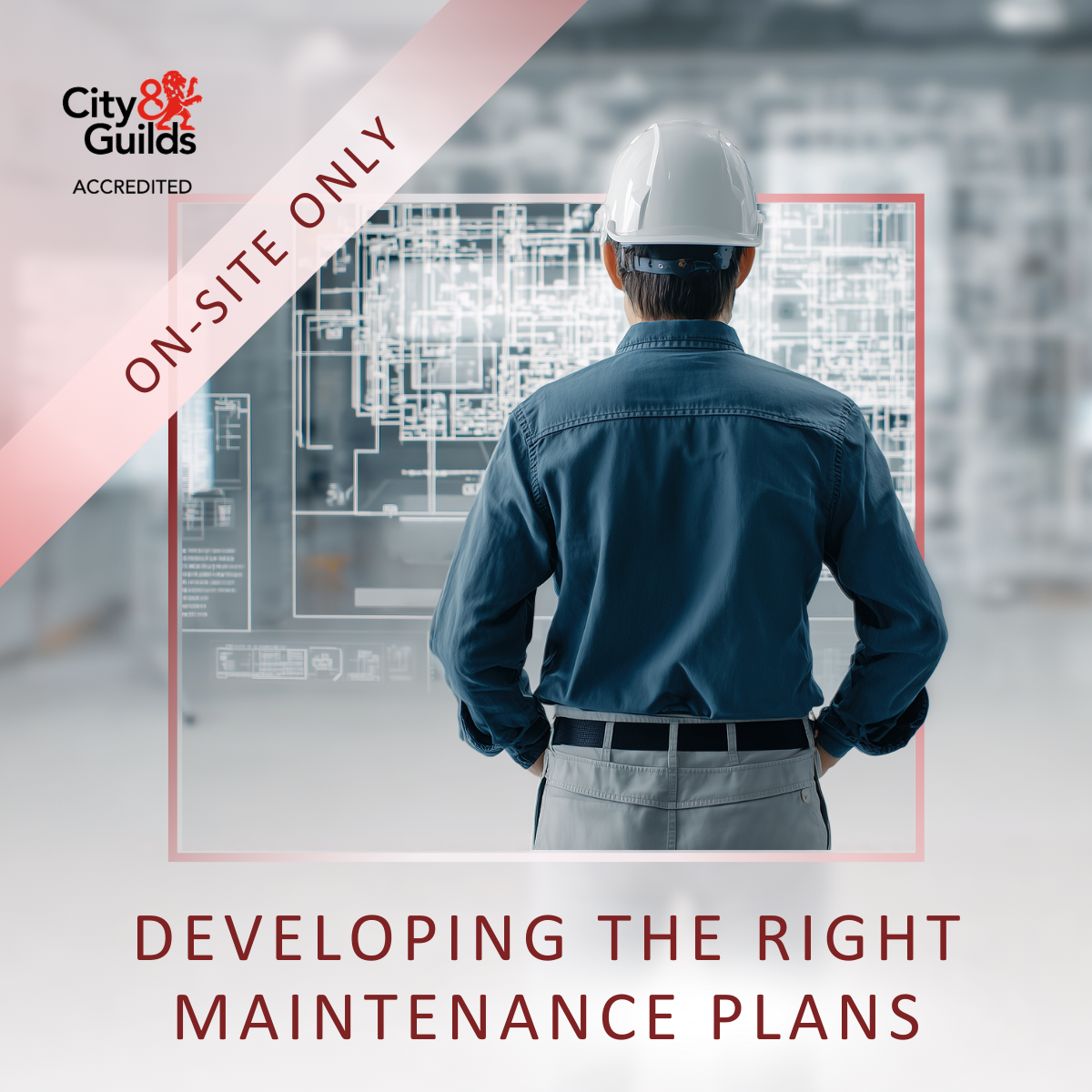
Developing the Right Maintenance Plans
City & Guilds accredited training focused on developing effective maintenance plans based on asset criticality and failure behaviour.
Typically delivered over 1–2 days and suitable for maintenance, production and operational teams.
MANAGEMENT TRAININGON THIS PAGE


ON SITE


ONLINE


SCHEDULED

BESPOKE
WHY THIS COURSEMove beyond generic maintenance plans.
Many organisations rely on maintenance plans that have evolved over time without a clear structured basis. This often leads to over-maintenance in some areas and gaps in others.
This course provides a structured framework for reviewing and developing maintenance plans, using tools such as criticality assessment, FMECA and risk-based approaches to ensure maintenance activities are aligned with actual asset needs.
Delegates gain practical methods to improve maintenance effectiveness, reduce unnecessary work and strengthen reliability across plant and equipment.


WHO IS IT FORThis Course is ideal for:

Reliability and Maintenance Engineers

Maintenance Planners and Engineering Supervisors

Engineering and Maintenance Managers
Organisations looking to review and improve maintenance plans
Looking for more information?
By the end of this course, you will be able to:
KEY LEARNING OUTCOMESStructure and develop effective maintenance plans
Apply criticality assessment to prioritise maintenance effort
Apply FMECA to support maintenance plan development
Define appropriate maintenance tasks based on failure behaviour
Identify and remove ineffective or unnecessary maintenance activities
Improve maintenance effectiveness and asset reliability

Is this not what you’re looking for?
MCP Management Training specialises in bespoke courses tailored to your needs.
Alternatively, these are other related courses:

Learn structured techniques to investigate failures, identify root causes and prevent recurring issues.
Develop practical skills in FMECA to identify potential failure modes, assess risk and improve reliability.
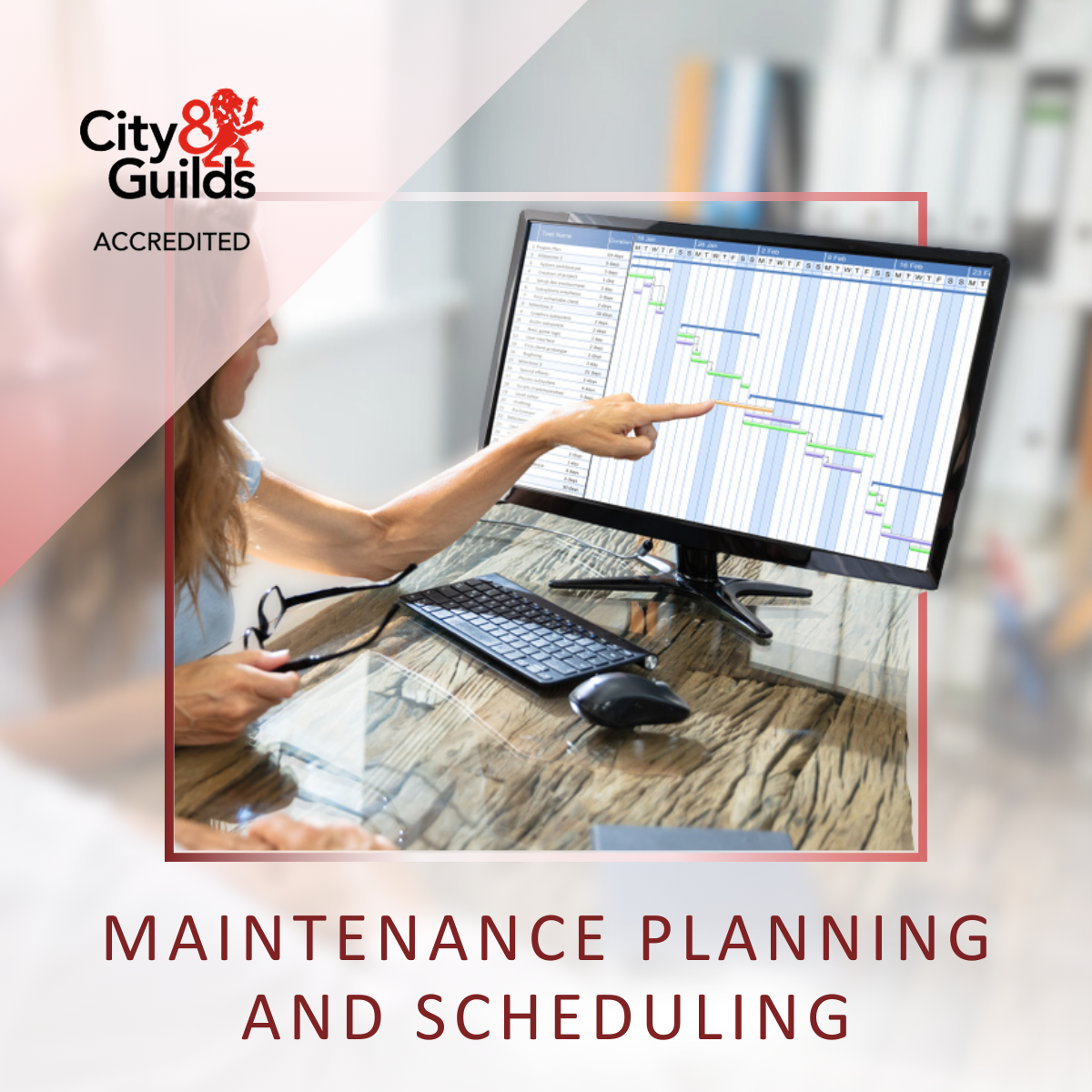
Develop the skills required to plan, organise and schedule maintenance work effectively.

THE BENEFITSFor Individuals

Enhanced capability in developing structured maintenance plans
Increased confidence in applying criticality and FMECA in practice
Practical tools to improve maintenance effectiveness
Enhanced professional capability in maintenance and reliability roles
THE BENEFITSFor Organisations

More effective maintenance plans aligned with asset requirements
Reduced unnecessary maintenance activity
Improved reliability performance across plant and equipment
More consistent and structured maintenance approaches

What Our
Delegates Say
TESTIMONIALS“A clear and structured approach to identifying failure risks. Very relevant to our plant.”
— Reliability Engineer
“Practical and analytical. It helped us prioritise maintenance more effectively.”
— Engineering Manager

Delivered by senior consultants from MCP, this programme is grounded in practical experience of developing maintenance plans, criticality assessment and reliability improvement.
Our trainers work with organisations to apply structured maintenance approaches that improve maintenance effectiveness and ensure maintenance activities are aligned with operational requirements.
Rather than academic theory, delegates benefit from practical insight drawn from real-world assignments and proven techniques that can be applied immediately in the workplace.
Delivered by experienced asset management practitioners >>>
Delivered by experienced asset management practitioners >>>

Frequently
Asked Questions
FAQS-
Yes, the course introduces FMECA as a practical tool to support maintenance plan development. However, it is not a detailed FMECA course. For a deeper understanding of the methodology, we recommend our FMECA Training.
-
This course is suitable for maintenance and engineering professionals with some experience of maintenance practices. No prior knowledge of FMECA or risk-based methods is required.
-
Yes, all MCP training courses can be delivered on-site. This allows organisations to tailor the programme to their specific assets, systems and operational requirements.
-
You will be able to review existing maintenance plans, identify gaps or inefficiencies and develop structured maintenance approaches based on asset criticality and failure behaviour.