FMECA Training
Practical FMECA techniques to identify failure risks, prioritise maintenance activities and improve reliability performance.
Typically delivered over 2–3 days and tailored to your plant, systems or equipment.
MANAGEMENT TRAININGON THIS PAGE



ON SITE


ONLINE


SCHEDULED

BESPOKE
Identify failure risk before they impact reliability and performance.
WHY THIS COURSEFMECA provides a structured approach to analysing how equipment can fail, the consequences of failure and the level of risk associated with each failure mode.
This course equips teams with practical techniques to assess failure modes, prioritise maintenance activities and strengthen maintenance and reliability strategies. Delivered on-site, the programme can be tailored to your plant, systems, operating environment and asset types.

WHO IS IT FOR

Reliability and Maintenance Engineers

Maintenance Planners and Technical Specialists

Engineering and Maintenance Managers
Cross Functional Teams Involved in Risk Assessment and Reliability Improvement
This Course is ideal for:
Looking for more information?
KEY LEARNING OUTCOMESBy the end of this course, you will be able to:
Understand the principles and structure of FMECA
Identify and define potential failure modes
Assess the effects and consequences of equipment failures
Apply structured criticality assessment techniques
Prioritise risk using severity, occurrence and detectability criteria
Link FMECA outputs to maintenance strategy and reliability improvement initiatives

Is this not what you’re looking for?
MCP Management Training delivers bespoke training programmes tailored to your operational requirements.
Alternatively, these are other related courses:
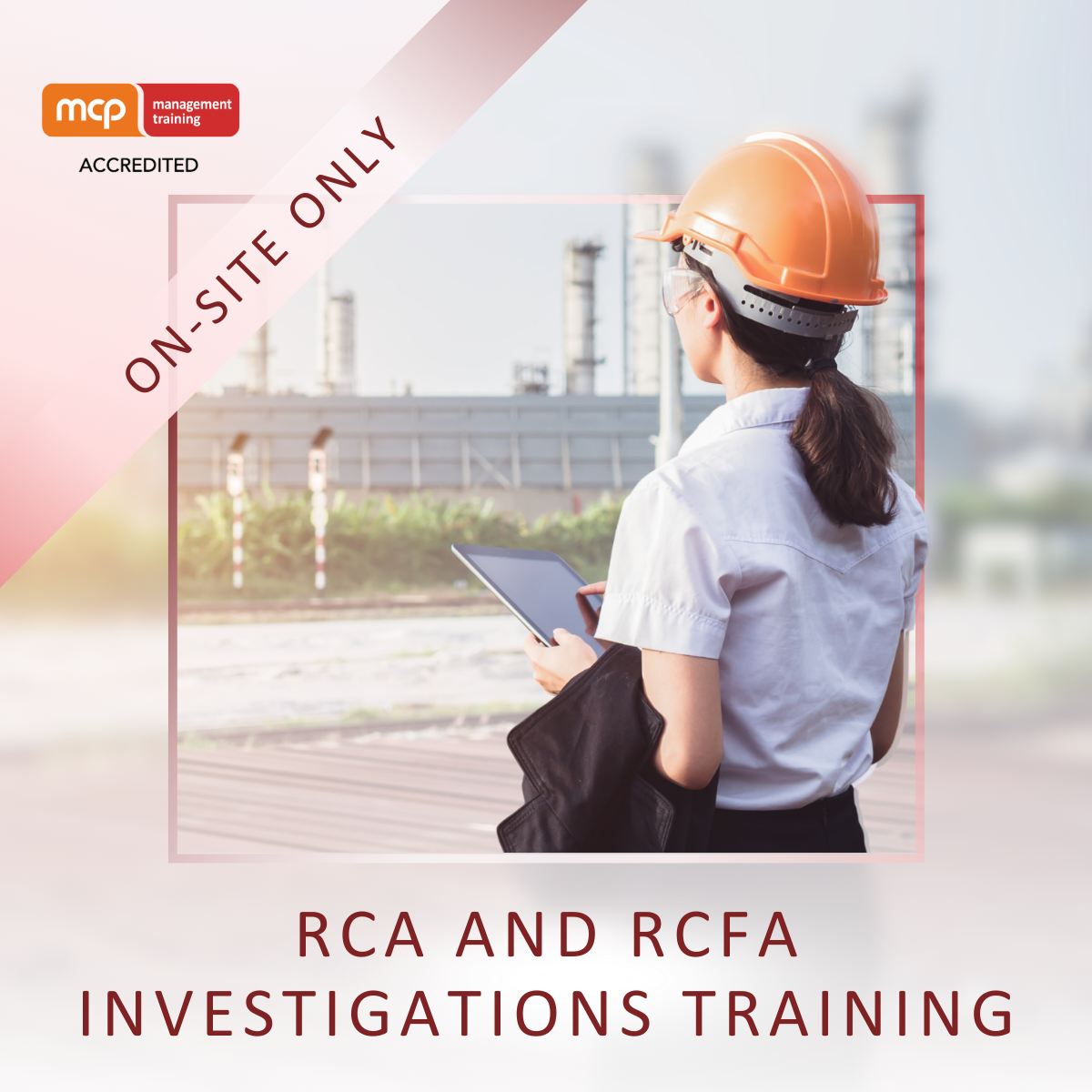
Learn structured RCA and RCFA techniques to identify root causes, prevent repeat failures and improve reliability.
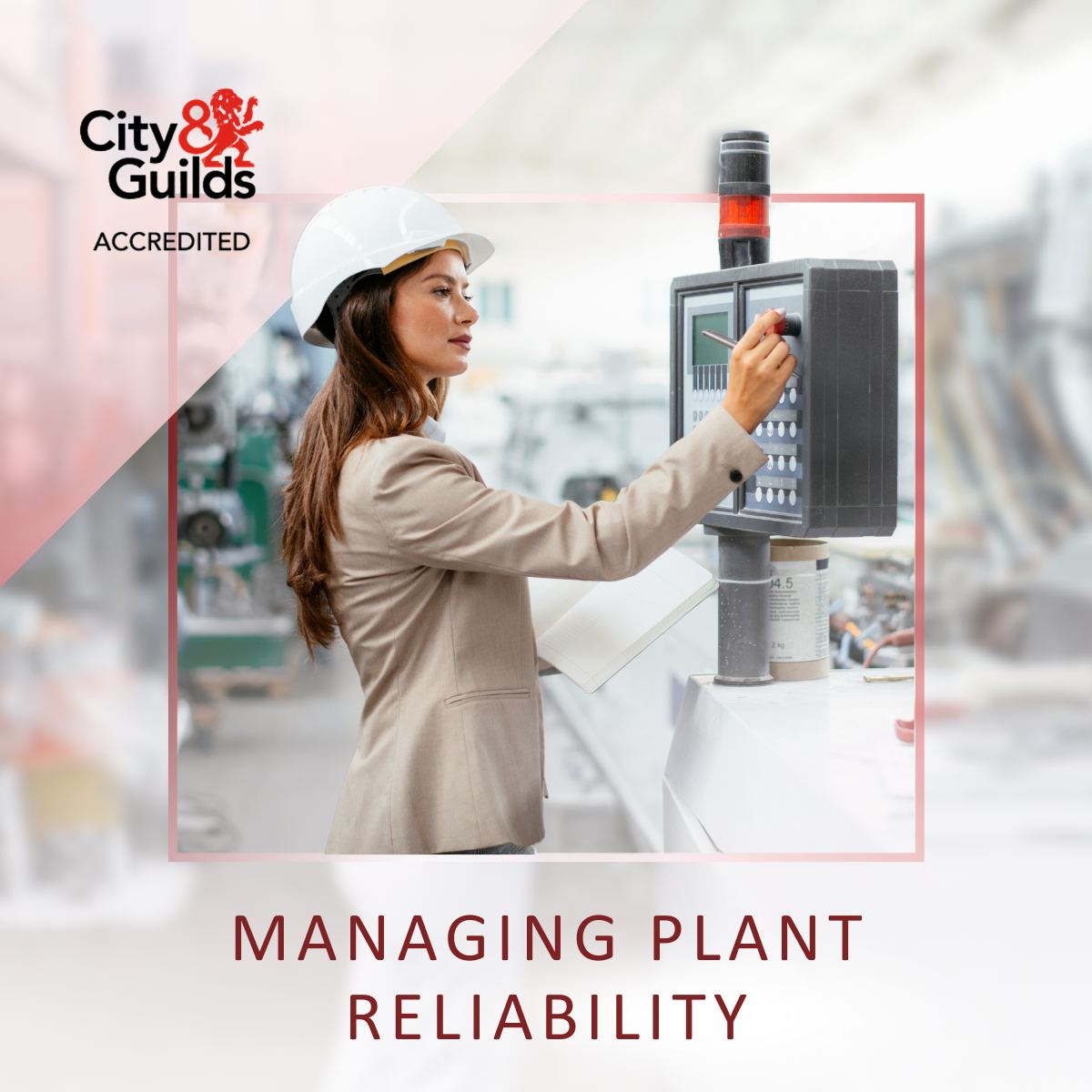
Understand failure behaviour and apply practical methods to improve plant reliability and maintenance performance.
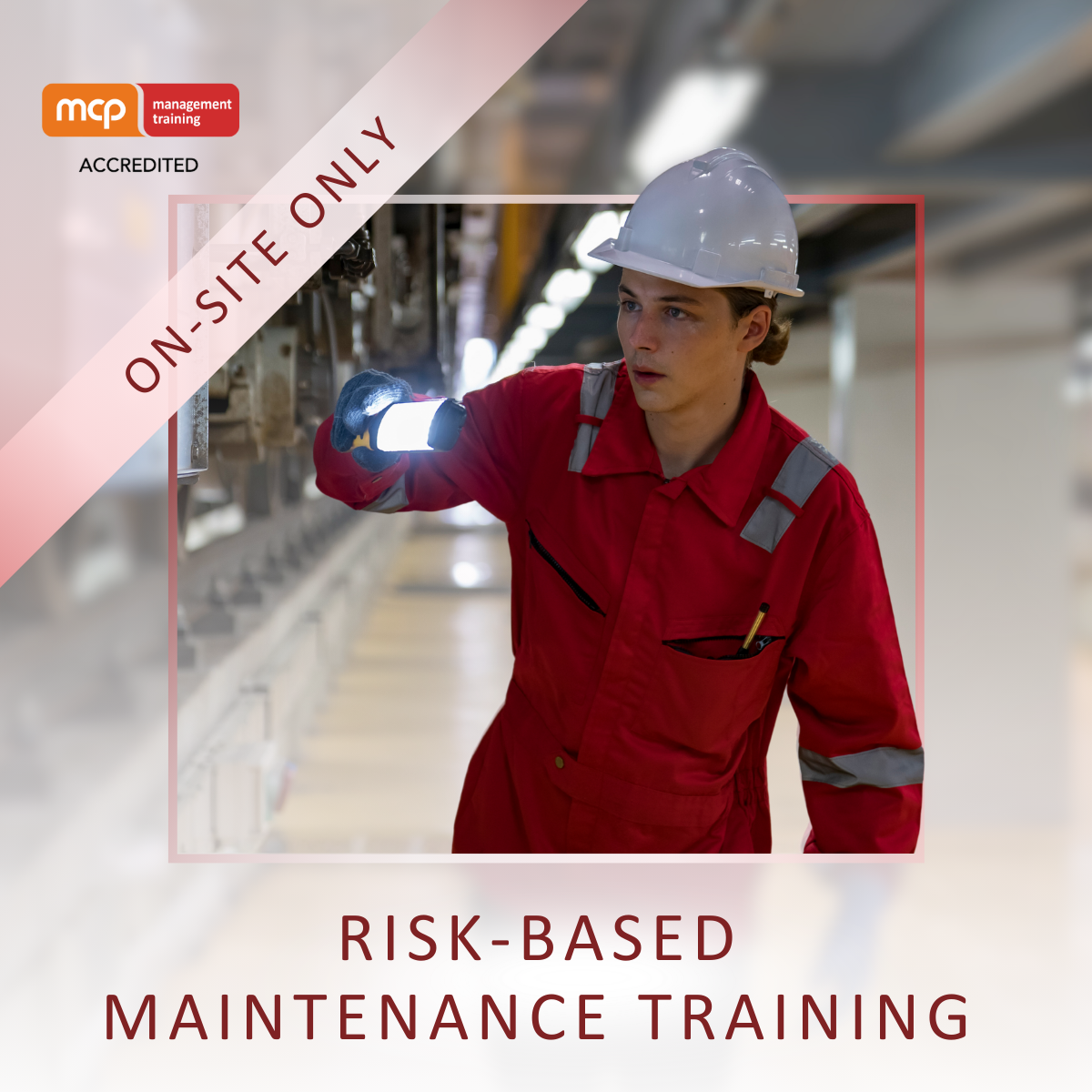
Learn how to apply risk-based approaches to prioritise maintenance activities, reduce risk and improve asset performance.
THE BENEFITSFor Individuals
Practical understanding of structured FMECA methodologies
Increased confidence in conducting equipment risk assessments
Clear framework for prioritising reliability improvements
Enhanced professional capability in reliability engineering
THE BENEFITSFor Organisations

Improved visibility of equipment failure risks
Better prioritisation of maintenance resources
Reduced unplanned downtime and operational impact
Stronger reliability and risk management processes

What Our
Delegates Are Saying
TESTIMONIALS“A clear and structured approach to identifying failure risks. Very relevant to our plant.”
— Reliability Engineer
“Practical and analytical. It helped us prioritise maintenance more effectively.”
— Engineering Manager

Delivered by senior consultants from MCP, this course draws on extensive practical experience of Failure Modes, Effects and Criticality Analysis across engineering and asset-intensive environments. We support organisations in identifying potential failure modes, assessing operational risk and prioritising critical assets to strengthen reliability and improve maintenance decision-making.
Rather than focusing on academic theory, delegates benefit from practical insight drawn from real-world assignments, proven methodologies and decades of combined industry experience. Every trainer is skilled at translating complex concepts into clear, actionable learning that can be applied immediately within the workplace.
Delivered by experienced asset management practitioners >>>
Delivered by experienced asset management practitioners >>>

Frequently
Asked Questions
FAQS-
FMECA Training is typically delivered over 2–3 days, depending on scope and depth.
-
Yes. The programme can be adapted to specific industries, asset types or critical systems.
-
A background in maintenance or engineering is recommended, but no prior FMECA experience is required.
-
Yes. A criticality module can be incorporated to support asset ranking and risk-based decision-making.
-
FMECA can support reliability-centred maintenance (RCM) and broader reliability strategy initiatives.