Fundamentals of Asset Management Training
Practical asset management principles delivered through flexible online learning.
Develop a practical understanding of asset management principles and how they support operational performance, risk management and long-term asset value. This introductory course provides a clear foundation in modern asset management practices and lifecycle thinking, making it ideal for those looking to build practical asset management knowledge and awareness.
MANAGEMENT TRAININGON THIS PAGE
Prices Quoted Exclude VAT
Course Type | Maintenance and Asset Management
Certificate | MCP Training Certificate prepares you to take the IAM Foundation Award
Recommended Learning Hours | 4-6 Hours
Location | Online - An eLearning Solution

ON SITE


ONLINE


SCHEDULED

BESPOKE

WHY THIS COURSEBuild practical asset management knowledge without leaving your workplace.
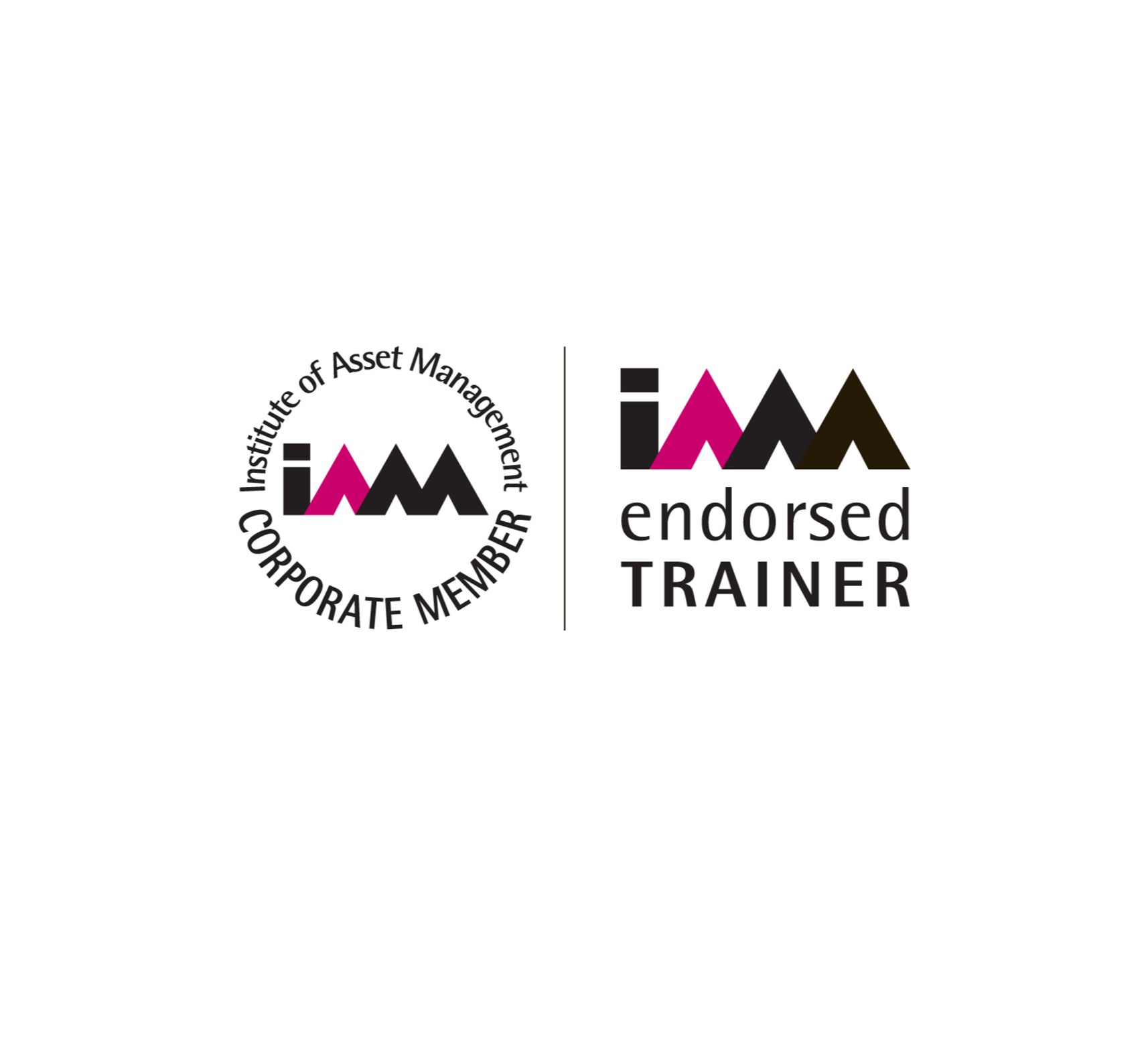
Effective asset management requires an understanding of lifecycle thinking, risk, governance and performance. This flexible online course introduces the core principles of asset management in a structured and accessible format, helping delegates build practical knowledge and insight into recognised industry best practice at a pace that suits them.
START YOUR FREE TRIAL
<
START YOUR FREE TRIAL <
START YOUR FREE TRIAL
>
START YOUR FREE TRIAL >

Try it before you commit
Experience our online training with a complimentary demo trial. Explore the course content, see how the platform works and get a feel for the learning experience before you commit.
START YOUR FREE TRIAL
>
START YOUR FREE TRIAL >


WHO IS IT FORThis course is ideal for

Engineers and Maintenance Professionals New to Asset Management

Asset Owners and Facilities Managers

Supervisors and Managers Responsible for Asset Performance
Organisations Building Asset Management Capability
-
- Asset management concepts, principles and terminology
- Common characteristics of good asset management
- The breadth of asset management activities
- Good practice beyond managing assets, to include understanding stakeholder requirements, alignment of activities, managing risk, decision making, team working and an overview of ISO 55000
- Why asset management is important and the benefits that can be realised by organisations
- The next steps for individuals who wish to continue their asset management journey
Need help choosing the right course?
By the end of this course, you will be able to:
KEY LEARNING OUTCOMESUnderstand the core principles and terminology of asset management
Recognise the asset lifecycle and its role in effective decision-making
Understand the relationship between risk, performance and value in asset management
Understand governance and organisational alignment within asset management frameworks
Identify opportunities to strengthen asset management practices within your organisation
Apply practical asset management thinking within your organisation

Looking for a different training course?
MCP Management Training offers a wide range of maintenance, reliability and asset management programmes for individuals and organisations.
You maybe interested in these courses:
Understand failure behaviour and learn practical methods to improve plant reliability, equipment performance and maintenance strategy.
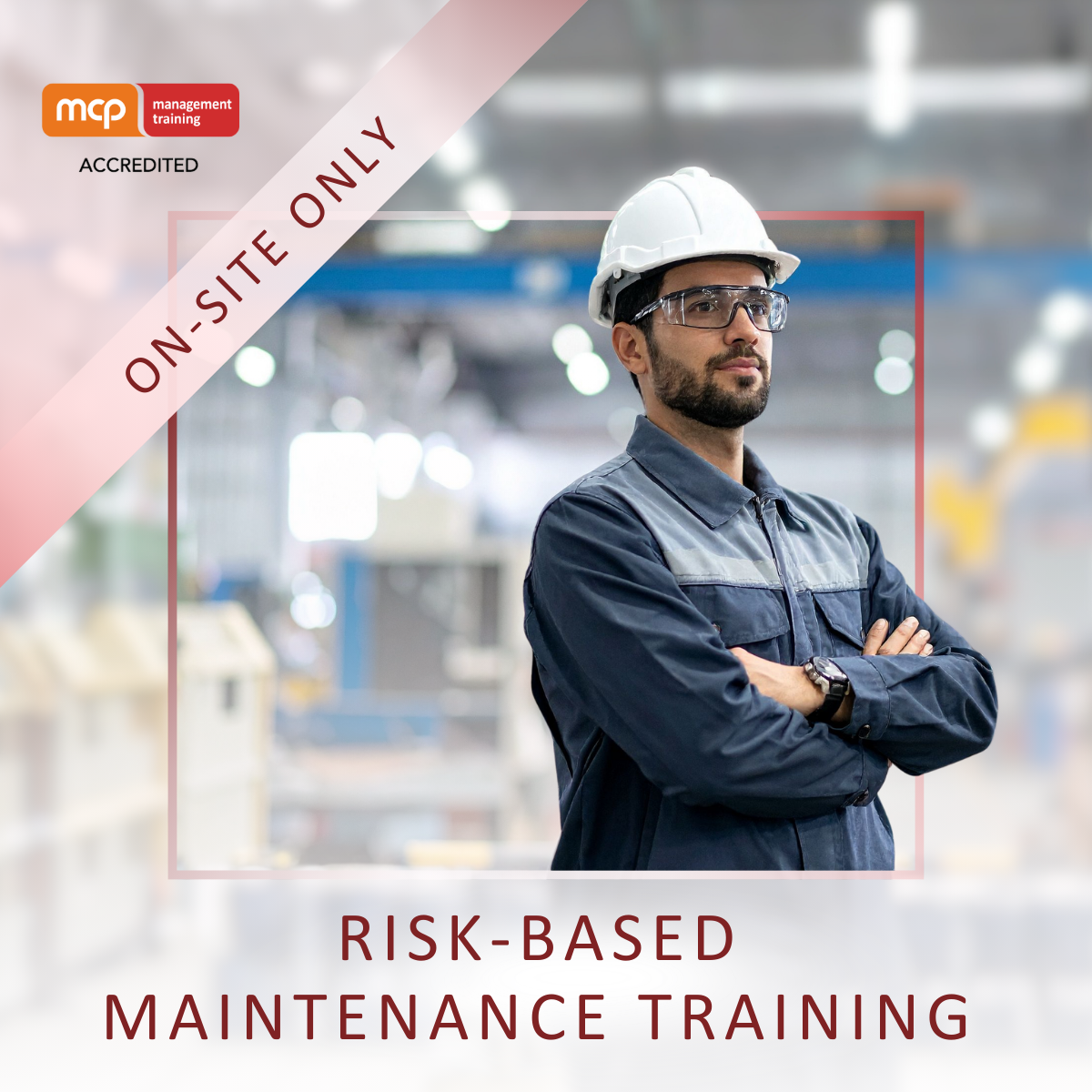
Learn how to apply risk-based approaches to prioritise maintenance activities, improve reliability and support more effective asset management decisions.
Develop a deeper understanding of asset management principles, lifecycle thinking and strategic decision-making through this IAM-aligned qualification.
THE BENEFITSFor Individuals
Clear understanding of core asset management principles
Increased confidence in asset-related decision-making
Structured knowledge to support professional growth
Strong foundation for further asset management learning
THE BENEFITSFor Organisations

Improved consistency in asset management terminology and approach
Stronger governance and lifecycle awareness
Better alignment between asset performance and business objectives
Development of internal asset management knowledge and capability

What Our
Delegates Say
TESTIMONIALS“Distance learning fundamentals course - well depicted with lessons in suitable bite size modules which fit nicely in a work day.”
— Christopher Waters
“A good introduction to Asset Management in a new format. Well structured, with supporting articles and suggested reading.”
— Graham McConnell | Fleet Maintenance Planner
“Great Course. Very complete introduction to the fundamentals of AM”
— Maintenance Supervisor

This online course provides structured asset management learning aligned with recognised industry principles and best practice, supporting practical understanding of governance, lifecycle thinking and asset performance.
Delivered by experienced asset management practitioners >>>
Delivered by experienced asset management practitioners >>>

FAQSFrequently
Asked Questions
-
No. This is a flexible self-paced online course that can be accessed at any time and completed at a pace that suits you.
-
Your licence to complete the course is valid for 12 months.
-
No prior asset management experience is required. The course is designed as an introduction to asset management principles and is suitable for individuals looking to build foundational knowledge.
-
Yes. This course provides a practical introduction to asset management principles and can support individuals preparing for more advanced IAM-aligned learning, including the IAM Certificate in Asset Management.
-
Yes. Organisations can purchase multiple licences to support team development and improve awareness of asset management principles across operations, engineering and maintenance functions.
-
Yes. Many organisations use this course to build a consistent understanding of asset management principles before progressing to more advanced training or wider operational improvement initiatives.